Keeping it simple: reviewing crisis communication plans
Under Pressure 16 May 2025

Keeping it simple: reviewing crisis communication plans
There is nothing more important than being able to move quickly and with confidence when a crisis happens. This means ensuring that the existing crisis communication plan can be simply implemented and there is clarity about who is doing what in the communication team.
Where plans are created often it is to satisfy the need to have one with less consideration about what it needs to do and who it will be used by. We only find that it doesn’t quite match up the moment we are faced with a crisis and have to use it.
In recent crisis simulations the following have come out as key things to consider:
is it clear where the most up to date information, lines etc is held?
is there a meeting cycle and agenda that means anyone could chair a crisis comms meeting?
how are decisions and actions being logged and can everyone in the team access them?
how is social media being triaged and information gathered and shared?
can the plan be operationalised quickly?
We need to develop plans so that we have the structure and approach that will help us to respond but also that will give us the space to be able to focus on the details that will make the difference. The flow of information can often feel like a simple thing until it has to happen under pressure.
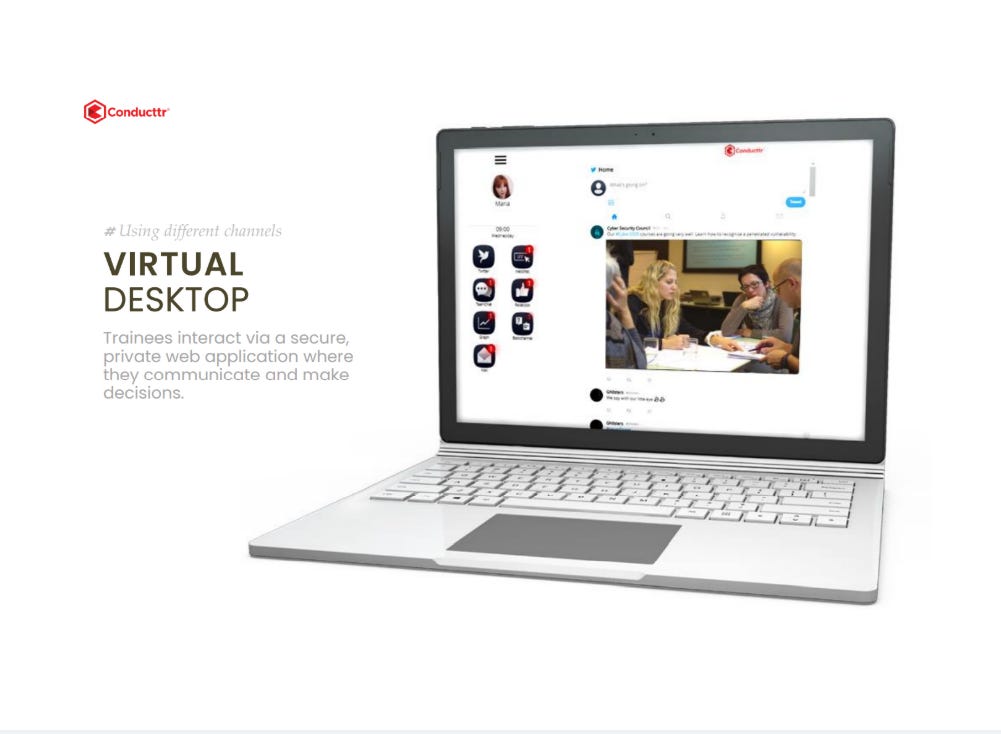
The best way of testing these elements is to run a full crisis simulation that replicates social media, media, internal communication queries and stakeholder challenges. As well as considering the big things such as governance and approach it also allows a focus on where the barriers and stumbling blocks may be. That way you can keep it simple and be ready for the moment a situation develops.
If you want to find out more about running a crisis communication simulation with Amanda using the Conducttr software get in touch at amanda@amandacolemancomms.co.uk
Global columnist for Strategic Magazine
Amanda has joined Strategic Magazine’s global columnist network and will be sharing crisis communication updates. The network brings together industry-recognised experts from around the world. Find out more here.
Hot weather challenges
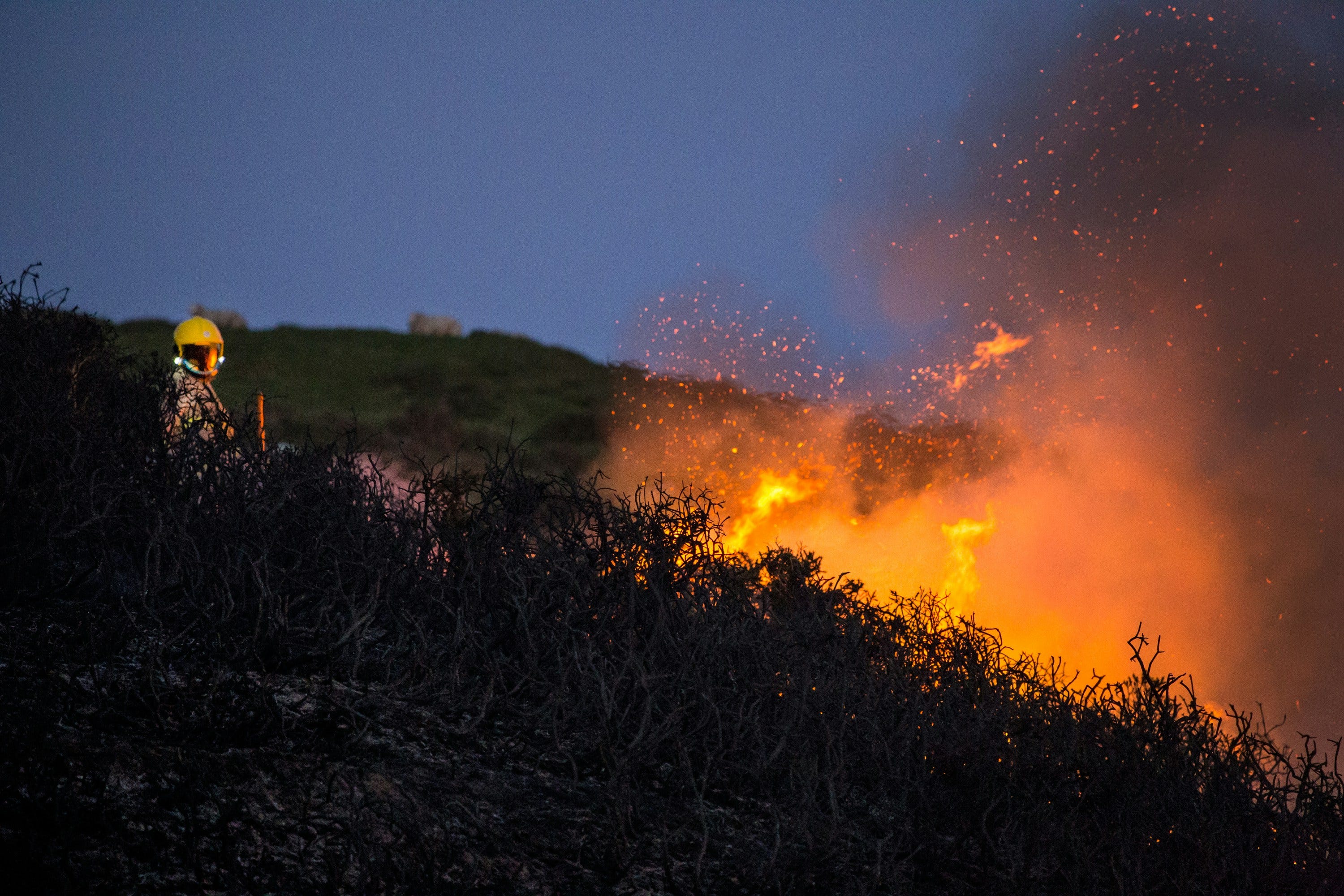
The UK has been experiencing a prolonged period of hot weather. This raises the challenges from wildfires, health issues as well as concern about low reservoirs. For anyone facing the need to communicate about wildfires it is worth revisiting the research from the University of Notre Dame. Find it here. There is also an interesting article about how to use persuasion to support communication about water saving. Read more here.
In Brief:
A survey of people in Portugal after the blackout found a lack of information was the biggest issue mentioned. Find out more here. If you would like a short document on communicating during blackouts find it on Amanda’s website here.
Thailand did its first national emergency alert test on May 2nd. The initial small scale test was in five areas. Find out more here.
The latest crisis communication case study from Amanda is available on her website. Find it here.
Diary Dates:
Amanda’s next training webinar is on 19 June and focuses on Writing a Crisis Communication Strategy - if you would like to join or want more information email office@amandacolemancomms.co.uk
Developing a Communication Strategy is the focus of training on 5 June that Amanda is running on behalf of the PRCA. Find out more here.