Fear, mistrust and conflict
Under Pressure 23 January 2026

Fear, mistrust and conflict
The spectre of further conflict across Europe has been something that has been discussed for many months. It is something I have been concerned about for almost a year. No-one wants to think that it could happen or look at what it may mean. But with the words and actions coming from US President Donald Trump and the White House it feels now is the time we have to consider what a breakdown in relationships could mean for the work we do, wherever we are and whoever we work for.
I have spoken to Ukrainian communicators in the past to understand what they have had to do to survive in the horrendous conditions they face. This included an interview with Sergii Bidenko almost 18 months ago that you can watch here. The start of 2026 has shown that we must all be prepared to weather uncertainty in a way that has not been considered for a long time.
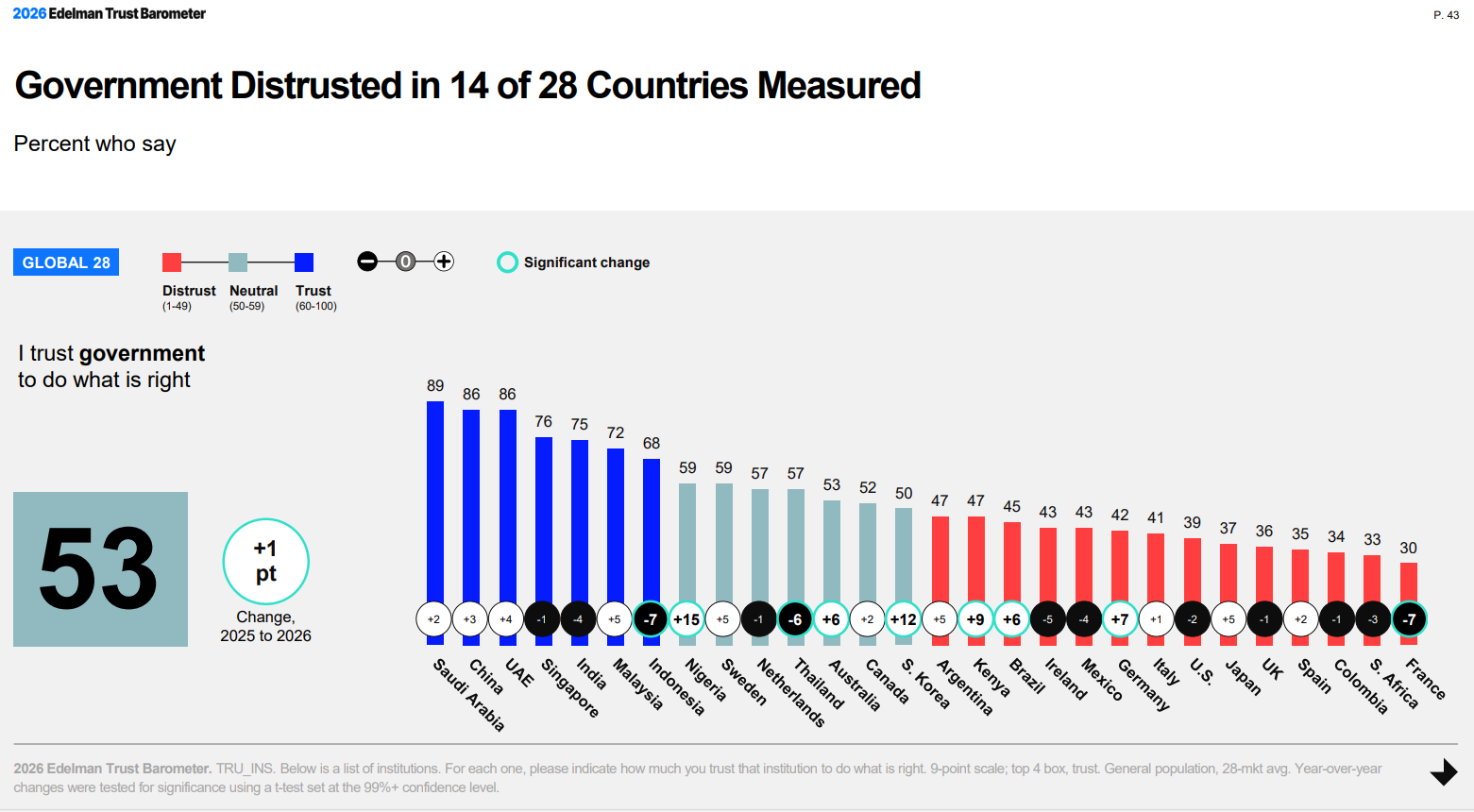
The rhetoric and speeches raise fear and add to mistrust which has been a central element of the Edelman Trust Barometer I mention in an article later in the newsletter. It is not a time for memes, tropes or soundbites. This is when trust, honesty and transparency are going to be essential and not optional. Greenland’s government have shared details of exactly what people need to do and store to be prepared for uncertain times. The reality is conflict leads to possible power outages, service disruptions, contamination threats and cyber attacks.
At the heart of these worst of times, preserving and protecting people and particularly the vulnerable or at risk remains central. Warning and informing people and moving quickly is vital and it needs strong local relationships to address misinformation, propaganda and the potential damage from misusing artificial intelligence. I have 10 points that we need to consider to be ready for a further uncertainty or conflict.
Build the possibility of conflict into risk and threat management understanding what it means to the business or organisation. Think the unthinkable.
Scenario test your readiness for conflict situations.
Update plans to ensure you can move quickly and that people have received the necessary training. This includes business continuity plans.
Strengthen local relationships.
Be ready to deal with the loss of power, Internet and digital services which may mean focusing on community relationships and printed materials.
Prepare the business to have a protection of people mindset to assist in decision making.
Train to ensure psychological preparedness and awareness feature in the response and the communication, and that it considers trauma-informed communication.
Co-create preparedness materials with communities wherever possible.
Establish relationships with the voluntary sector and build the involvement into plans.
Ensure the approach will focus on clarity, easy to understand language and that it can be relevant to whoever you are talking to whether it is staff, stakeholders or other groups.
We cannot be certain what is ahead of us but we can ensure that we have done everything possible to be ready for it and as communicators to help people through it.
Duty of Candour - what the latest developments mean
This week the Public Office (Accountability) Bill or Hillsborough Law was due to return for the next stage of its progress through the Commons. But there is a sticking point and it has now been delayed. There is no date for when it will return but officials have been quoted as saying they were “not putting a deadline” on the talks. The discussion will involve the families affected by disasters including Hillsborough and the Manchester Arena attack, intelligence agencies, the Home Office and Foreign Office.
The progress of the bill and the discussions will be covered in future editions of the Under Pressure newsletter.
If you are concerned about how to be ready for the legislation there are two training sessions Amanda is running this year. Go to www.amandacolemancomms.co.uk to find out more.
The Year Ahead
You can check out Amanda’s hour webinar about what may be ahead in 2026 and actions we can take. The recording of the session from 21 January 2026 can be viewed here.
Latest reports - World Economic Forum Risk Report and Edelman Trust Barometer
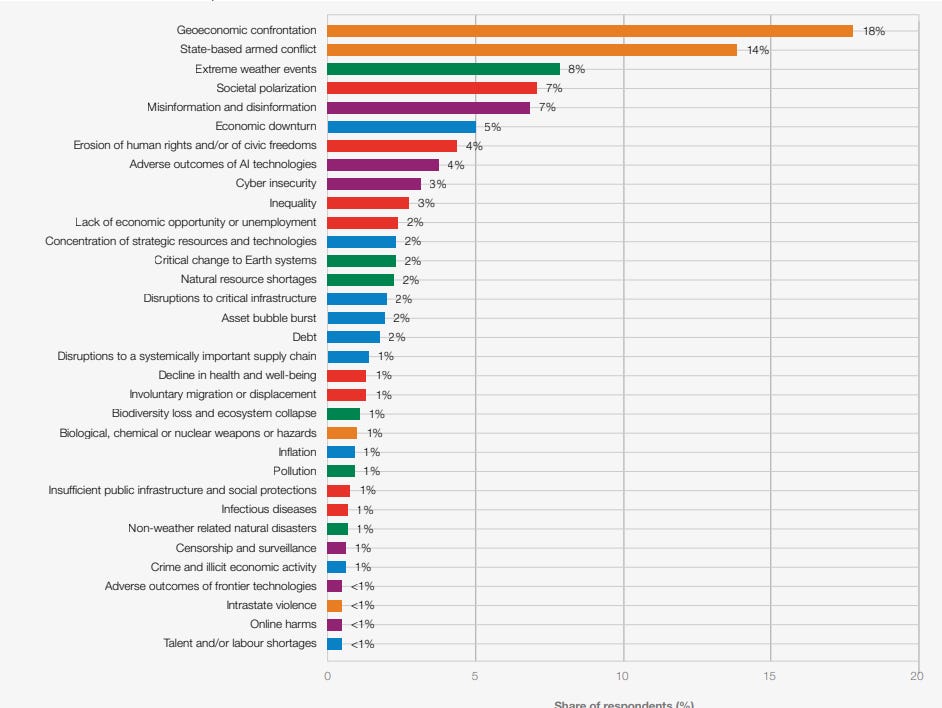
The start of January has seen a flurry of reports that have been published that are relevant to communicators and those working in crisis preparedness and response. The World Economic Forum Global Risk Report 2026 has identified the risks that are considered the most serious.
Unsurprisingly geoeconomic confrontation and state-based armed conflict are the biggest risks those working in risk management foresee ahead.
This report was swiftly followed by the Edelman Trust Barometer that has highlighted the continued pressure on trust and how it is pushing people into a more insular position. People move to distrust anyone who is different which connects with the polarisation we are witnessing in society.
What does this mean for us working on the frontline? We have to rethink how we approach communication at a time of uncertainty. With the impact of artificial intelligence and misinformation, people are looking for the human connection to cut through. This means investing in building local relationships and using the community networks that exist.
We have to think the unthinkable to ensure that we are prepared for what may be ahead. People had become comfortable that life was kept on a relatively even keel, then the pandemic shook things up and now we are seeing further disturbances in situations and institutions we have taken for granted.
Amanda is addressing these issues in training and in the programme of sessions planned for 2026.If you have any views on this get in touch with Amanda at amanda@amandacolemancomms.co.uk
22 crisis communication training sessions
Amanda has brought together details of the 22 crisis communication training sessions that she has run through the past three years into one brochure. The sessions are available to access and any organisation wanting to arrange a session can find out more by getting in touch with office@amandacolemancomms.co.uk
You can find out more about the sessions that are available from risk, response through to recovery here.
In Brief:
The Journal of Medical Internet Research has published a study into public emotional responses to major emergencies on social media. One of the conclusions is that practitioners need to tailor risk communication to cultural expectations. Find out more here.
In a recent blog Amanda wrote about the ethical challenges facing communicators in the year ahead. Read more here.
X (Twitter) has suffered another outage last week which has prompted concerns about the operation of the platform. Read more here.
Worcestershire County Council in the UK has been testing communication in the event of a power outage. Find out more here.
Diary Dates:
26 February - Crisis Communication Exercise - Amanda is running the popular session to consider the decision making during a scenario. Spaces are strictly limited. Get in touch at office@amandacolemancomms to book a space.